Dead Tree Removal in Allentown, PA
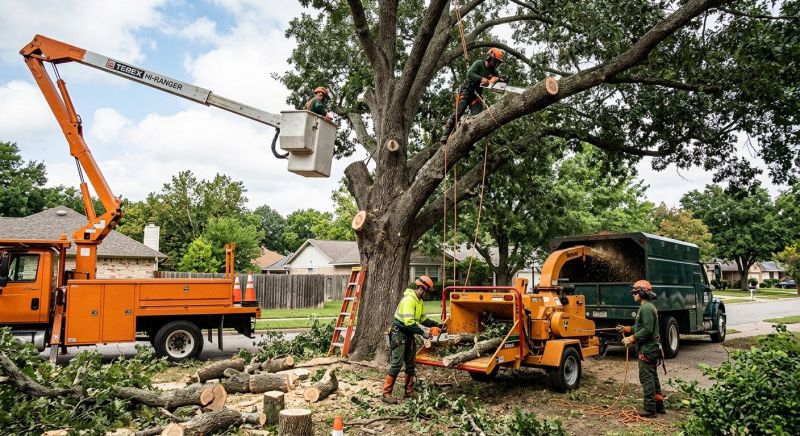
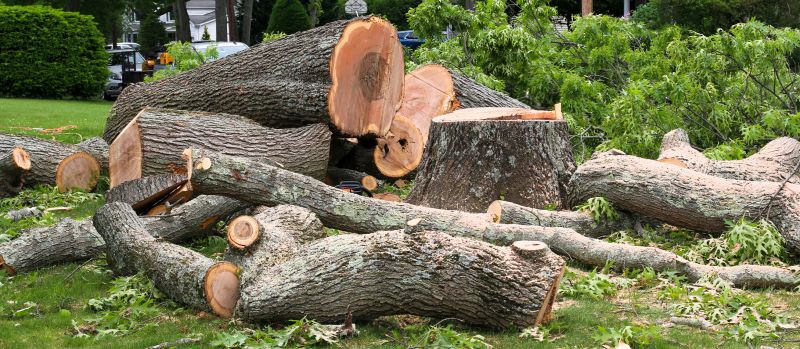
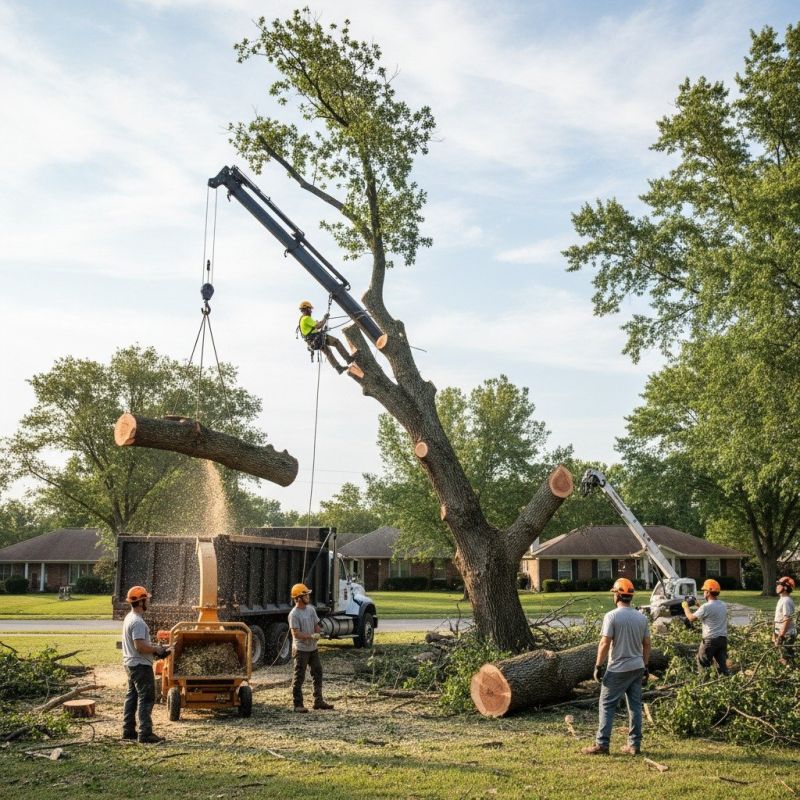
Dead tree removal services involve safely removing trees that are dead, decaying, or pose a risk to property and safety. This type of project typically includes assessing the tree’s condition, planning the removal process, and utilizing specialized equipment to carefully cut down and clear away the fallen debris. Homeowners often request this service when a tree shows signs of disease, extensive damage, or when it has become a hazard near structures, power lines, or walkways, ensuring the safety of residents and the integrity of the property.
Before requesting dead tree removal, property owners should consider the location of the tree, its size, and the potential impact on surrounding landscaping or structures. It’s also useful to understand any local regulations or restrictions related to tree removal, especially for larger or protected species. Clear communication about the tree’s condition and access to the site can help facilitate a smooth and efficient removal process, contributing to a safer and more attractive property.
Many property owners in Allentown, PA look into Dead Tree Removal for repairs, replacements, upgrades, and appearance-related improvements.
Signs You Need Dead Tree Removal
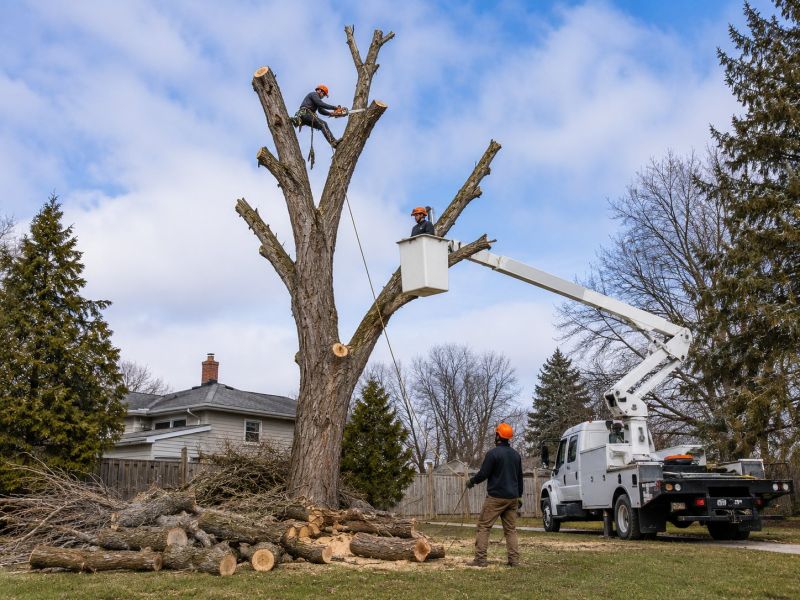
A dead or dying tree can pose safety risks and property damage if not addressed promptly.
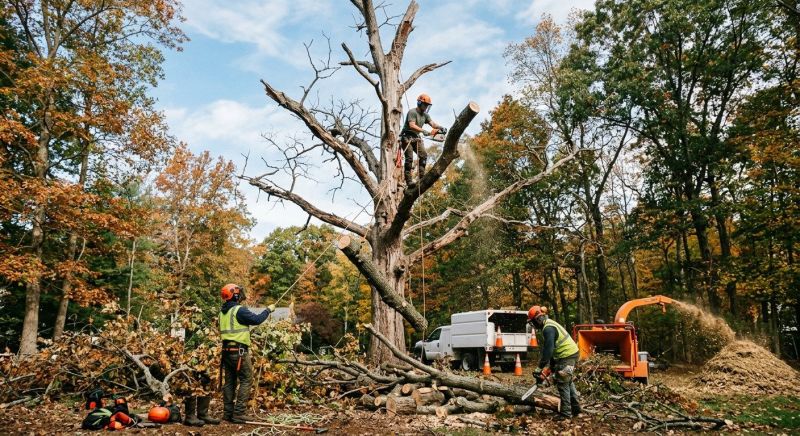
Benefits Of Dead Tree Removal
Removing dead trees helps maintain landscape health and prevents potential hazards on your property.
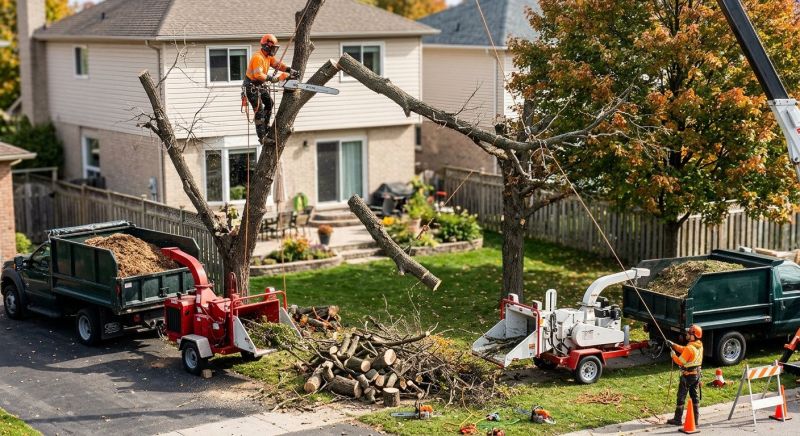
Common Dead Tree Removal Methods
Techniques include cutting, grinding stumps, and debris cleanup to restore safety and aesthetics.
Dead Tree Removal in Allentown, PA
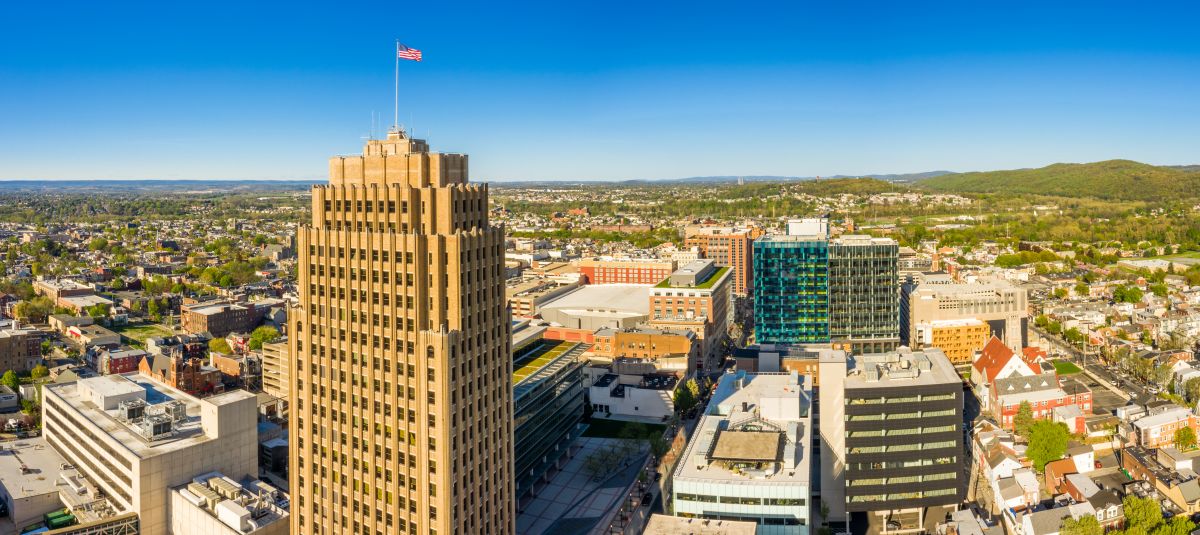
Dead tree removal services involve safely removing trees that are dead, decaying, or pose a risk to property and safety. This type of project typically includes assessing the tree’s condition, planning the removal process, and utilizing specialized equipment to carefully cut down and clear away the fallen debris. Homeowners often request this service when a tree shows signs of disease, extensive damage, or when it has become a hazard near structures, power lines, or walkways, ensuring the safety of residents and the integrity of the property.
Before requesting dead tree removal, property owners should consider the location of the tree, its size, and the potential impact on surrounding landscaping or structures. It’s also useful to understand any local regulations or restrictions related to tree removal, especially for larger or protected species. Clear communication about the tree’s condition and access to the site can help facilitate a smooth and efficient removal process, contributing to a safer and more attractive property.
Many property owners in Allentown, PA look into Dead Tree Removal for repairs, replacements, upgrades, and appearance-related improvements.
Common Dead Tree Removal Jobs
Dead Tree Removal - Safe removal of hazardous or decayed trees to protect property.
Tree Stump Removal - Complete extraction of tree stumps to improve yard safety and appearance.
Storm-Damaged Tree Removal - Clearing trees that have fallen or are at risk after severe weather events.
Emergency Tree Removal - Rapid response for urgent tree removal needs to prevent property damage.
Selective Tree Removal - Removing specific trees to improve landscape health and aesthetics.
Dead Branch Removal - Cutting away dead or broken branches to prevent potential hazards.
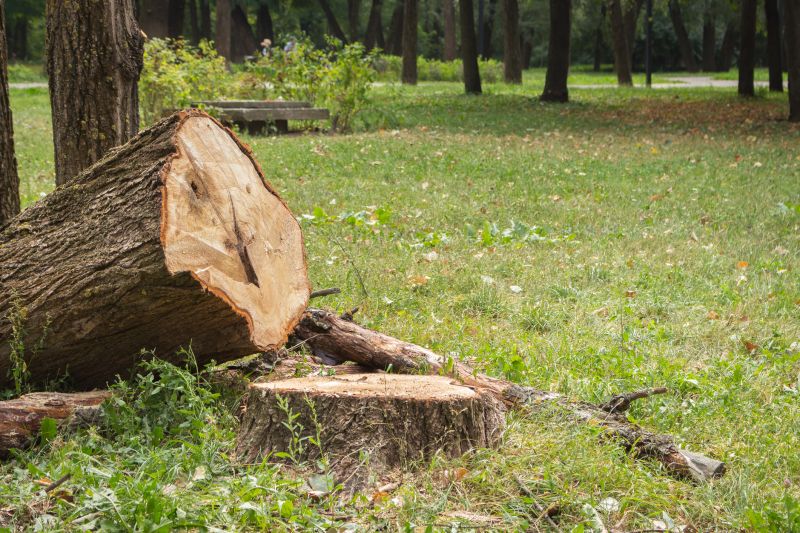
Dead Tree Removal Questions
Why remove dead trees from a property? Dead trees can pose safety risks and may affect the health of surrounding plants and structures.
What are common signs of a dead tree? Signs include discolored or wilted leaves, dead branches, and a lack of new growth.
Is dead tree removal necessary near structures? Yes, removing dead trees close to buildings or power lines helps prevent potential damage or accidents.
What should property owners consider before removal? It's important to evaluate the tree's location, size, and condition to determine the best removal approach.
Request Dead Tree Removal in Allentown, PA
Use the quote form on this page to share the basics of your project and request more information for the type of work you need.